Start an Export Business with Zero Inventory
Start an Export Business with Zero Inventory breaking into global markets doesn’t always require a warehouse full of merchandise. With the right strategy, you can launch an international venture without holding a single unit of stock. Welcome to the world of Zero inventory export—a lean, agile approach that slashes overhead and supercharges scalability. Ready to dive into actionable tactics? Let’s roll.
Understanding the Zero Inventory Paradigm
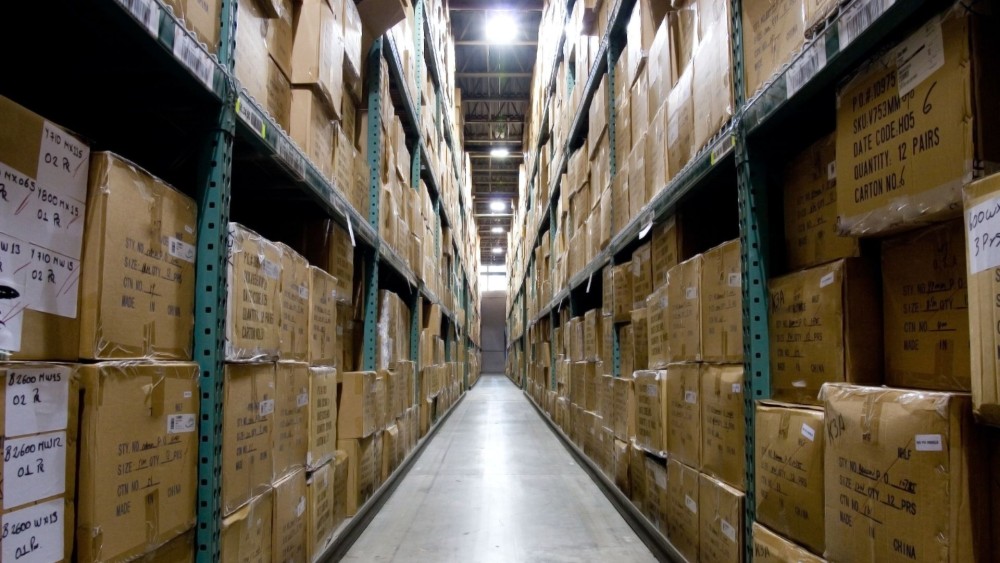
Before you hustle, internalize the concept. Zero inventory export flips traditional models on their head: no warehouses, no deadstock, no capital locked in pallets. Instead, you orchestrate products on demand. It’s about being nimble, avoiding obsolescence, and maximizing cash flow. Think of it as a backstage coordinator—clients see the show, but you never touch the set.
Market Research Without Stockpiles
Data is your secret sauce. Use AI-driven trend scanners, social listening tools, and trade-platform analytics to pinpoint high-demand niches. Short sentence. No physical samples needed. Validate concepts with micro-surveys, digital prototypes, and focus-group webinars. That way, you only commit to products that have already piqued buyer interest.
Building a Virtual Supply Chain
A virtual supply chain is your framework. Map out suppliers who offer drop-shipping, print-on-demand, or just-in-time manufacturing. Integrate their systems via APIs or EDI. This network becomes your digital assembly line. Whenever an order lands, it triggers fulfillment workflows across continents. You stay lean; they handle the heavy lifting.
Leveraging Drop-Shipping Partnerships
Drop-shipping is the OG of inventory-free commerce. Partner with vetted providers who ship directly to end customers. Negotiate SLAs (Service Level Agreements) for turnaround times and quality metrics. Implement real-time tracking so you can promise 3–5 day delivery. Customers love speed. Speed drives repeat business.
Utilizing Print-on-Demand Services
Want to export branded merch without bulk print runs? Print-on-demand platforms let you upload designs, set prices, and onboard global fulfillment centers. A shirt, a mug, or a notebook is only created when someone clicks “buy.” Zero warehousing costs. Zero risk. And you can A/B test designs in real time.
Crafting Strategic Vendor Agreements
Vendor agreements aren’t just legalese. They’re your lifeline. Insist on flexibility clauses—scale up during surges, down during lulls. Secure favorable payment terms, like net-60 or net-90, to preserve cash flow. Embed performance KPIs: order accuracy, damage rates, and lead times. If they slack, you swap in another partner. Simple as that.
Dynamic Pricing and Revenue Management
Your pricing must be elastic. Combine cost-plus models with market-index tracking—think currency fluctuations, seasonal demand, and competitor moves. Deploy an algorithmic engine that reprices SKUs based on predefined rules. A 5% uptick during peak season? Totally doable. Dynamic pricing keeps margins healthy without alienating budget-conscious buyers.
Digital Platform Integration
Your front-end is a digital storefront. Plug into B2B portals, cross-border marketplaces, and social commerce channels. Use middleware to unify inventory feeds, order management, and CRM. Whether it’s Alibaba, Amazon Business, or a bespoke e-commerce site, seamless integration means you never miss a sale or oversell a product.
Navigating International Regulations
Export compliance can be a labyrinth. Classify your products under the correct HS codes, secure export licenses, and adhere to destination-country regulations—think sanitary permits, ROHS, or CE marking. Engage local trade consultants for market-specific nuances. With compliance baked in, you avoid customs holdups and hefty fines.
Payment Gateways and Currency Solutions
Cross-border payments used to be a headache. Not anymore. Integrate multi-currency payment gateways—card networks, e-wallets, even stablecoins. Hedge forex risk with forward contracts or dynamic hedging tools. Instant settlement options like T+0 transfers boost cash flow and cement buyer trust.
Real-Time Order Fulfillment Orchestration
Orchestration platforms operate like air-traffic controllers for your exports. They monitor orders, allocate to the optimal fulfillment partner, and reroute shipments if delays occur. If a carrier hiccups, the system auto-switches to a backup. Less manual firefighting. More on-time deliveries.
Sustainable Logistics Alternatives
Eco-conscious buyers are everywhere. Offset your carbon footprint via verified emissions credits or partner with green carriers that use electric vehicles and biofuels. Offer consolidated shipments and minimal packaging options. Sustainability isn’t just a CSR checkbox—it’s a selling point.
Risk Mitigation in Inventory-Free Models
Lack of stock doesn’t mean lack of risk. A supplier meltdown or geo-political shift can derail shipments. Diversify your vendor pool across regions. Maintain a mini buffer fund for emergency air freight. Use trade credit insurance to safeguard receivables. Stay two steps ahead.
Branding with Minimal Overhead
Without inventory, your brand must resonate digitally. Invest in omnichannel brand assets—interactive catalogs, AR product demos, and localized landing pages. Leverage user-generated content to build authenticity. Strong branding reduces price sensitivity and fosters loyalty, even when logistics hiccup.
Scaling Through Automation
Automation is your bestie. From chatbots that handle basic inquiries to RPA (Robotic Process Automation) tools that reconcile orders, automate invoicing, and trigger vendor notifications. More automation means fewer human errors and faster scaling without ballooning headcount.
Analytics-Driven Decision Making
Set up a unified analytics dashboard that aggregates sales data, web metrics, and supplier performance. Employ anomaly detection to flag sudden demand surges or drops. Pull cohort analyses to refine customer segmentation. Data-driven insights refine everything—from marketing spend to vendor selection.
Future-Proofing Your Export Venture
Keep iterating. Pilot new markets with micro-launches. Use feedback loops to refine product assortments. Scout emerging fulfillment tech—like drone delivery or autonomous warehousing—to shave days off delivery windows. The export landscape evolves at warp speed. Stay curious, stay pivot-ready.
Starting an export business with Zero inventory export isn’t a pie-in-the-sky fantasy. It’s a tangible, cash-efficient model that aligns with modern buyer expectations. By mastering virtual supply chains, automation, and data analytics, you can build an export powerhouse without ever touching physical stock. Ready to disrupt? Your inventory-free empire awaits.


