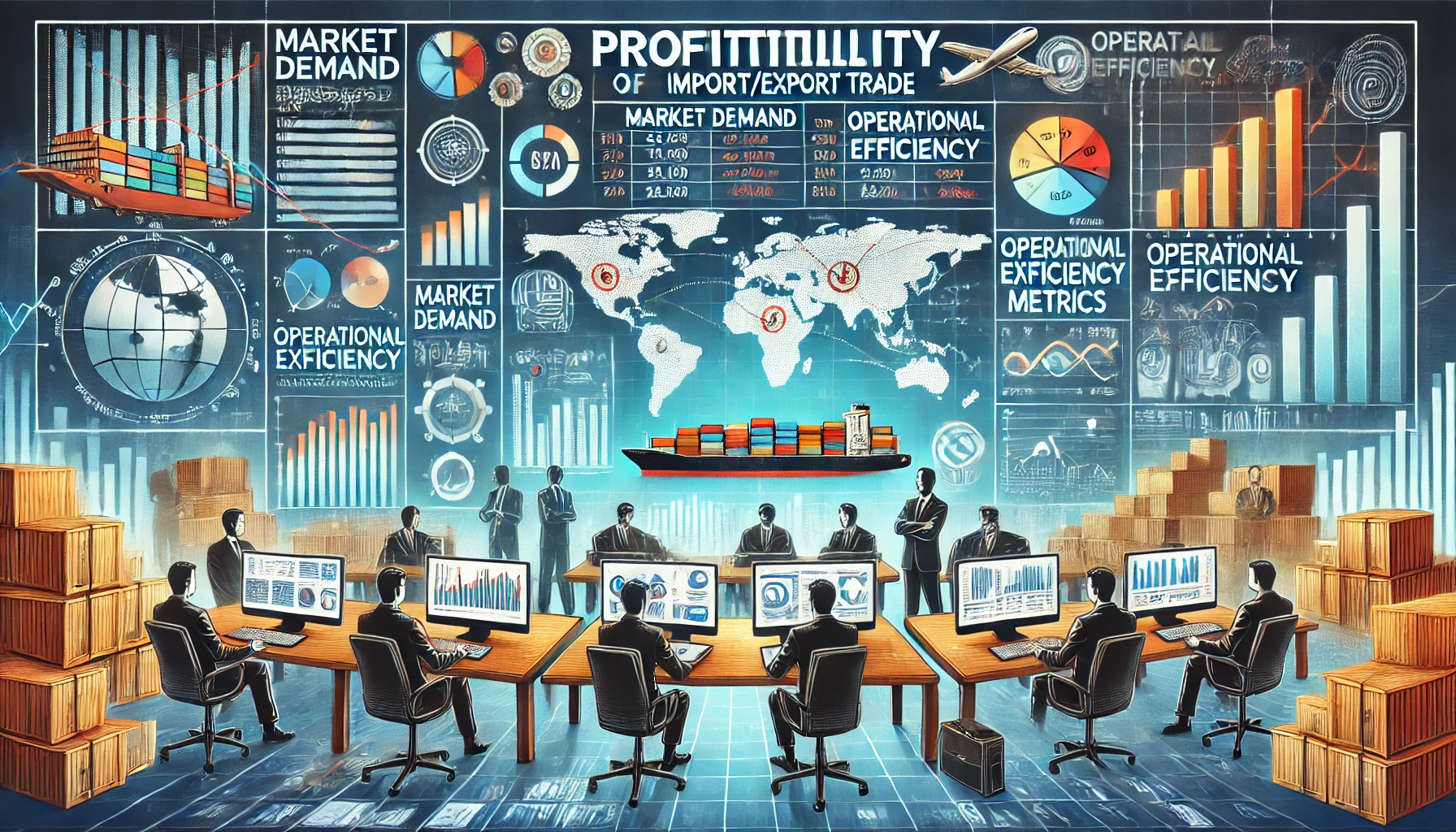
How to Streamline Your Export Supply Chain

In today’s fiercely competitive global market, efficiency is the currency of success. For exporters, the ability to streamline supply chain operations can be a game-changer—one that drastically reduces costs, accelerates delivery times, and enhances customer satisfaction. Export supply chains are inherently complex, often involving multiple stakeholders, diverse regulations, and lengthy transit routes. Yet, with the right strategies and insights, businesses can transform these intricacies into a seamless, well-oiled mechanism.
The pursuit to streamline supply chain management demands more than just incremental improvements. It requires a holistic reevaluation of processes, technologies, and partnerships that influence every step from production to final delivery. Below, we explore essential approaches to optimize export logistics and create a resilient, agile export supply chain.
Optimize Supplier Relationships and Inventory Management
An inefficient supply base is often the Achilles’ heel of export operations. One of the foremost strategies to streamline supply chain efforts is to cultivate close collaborations with suppliers. Building transparency and trust facilitates real-time information sharing on inventory levels, production schedules, and potential disruptions.
Advanced inventory management techniques such as Just-in-Time (JIT) or Vendor Managed Inventory (VMI) reduce excess stock while ensuring product availability. These methodologies trim storage costs and minimize capital lock-up, leading to a more responsive export supply chain. Furthermore, segmenting suppliers based on reliability and strategic importance allows export managers to prioritize partnerships and allocate resources effectively.
Leverage Technology for End-to-End Visibility
Digital transformation is a catalyst in the quest to streamline supply chain processes. Technologies like cloud-based platforms, Internet of Things (IoT) sensors, and blockchain facilitate real-time monitoring and data sharing across all stakeholders.
End-to-end visibility enables exporters to anticipate bottlenecks, track shipments accurately, and dynamically reroute logistics when necessary. For instance, IoT devices embedded in cargo can provide instant updates on temperature, location, and handling conditions, ensuring that sensitive goods comply with quality standards.
Blockchain technology introduces immutable ledgers that enhance transparency and trust, drastically reducing disputes over shipment details. Integrating these technologies into supply chain management systems empowers exporters to make data-driven decisions that optimize routes, reduce delays, and improve overall efficiency.
Simplify Documentation and Regulatory Compliance
Export documentation and regulatory compliance are notorious choke points in international trade. Streamlining these administrative tasks is critical to accelerating customs clearance and avoiding costly penalties.
Digitizing paperwork through electronic data interchange (EDI) systems automates the submission of invoices, certificates of origin, and shipping manifests. Automated compliance checks can flag inconsistencies or missing licenses early, reducing the risk of shipment delays at borders.
Partnering with customs brokers who have specialized expertise in destination country regulations also aids in simplifying compliance. Their nuanced understanding of tariffs, quotas, and trade agreements ensures that shipments sail through clearance smoothly, reinforcing the exporter’s ability to streamline supply chain operations.
Implement Efficient Transportation and Logistics Strategies
Transportation costs and transit times often constitute the lion’s share of export expenses. Developing an optimized logistics plan is indispensable in the drive to streamline supply chain functionality.
Choosing the right mode of transport—be it air, sea, rail, or road—depends on balancing cost, speed, and reliability. Multimodal shipping strategies, which combine two or more transport methods, often yield better flexibility and reduced transit times.
Consolidating shipments to maximize container utilization minimizes freight costs and environmental impact. Moreover, establishing strong partnerships with reliable freight forwarders and third-party logistics (3PL) providers can enhance access to prime routes, negotiated rates, and expert handling.
Incorporating route optimization software helps identify the most efficient paths, considering factors such as port congestion, geopolitical risks, and weather conditions. These proactive measures significantly reduce lead times and operational costs.
Standardize Packaging and Labeling Practices
Though sometimes overlooked, packaging and labeling standardization is a crucial element to streamline supply chain effectiveness. Consistent packaging not only protects goods during transit but also accelerates loading, unloading, and inspection processes.
Standardized dimensions and materials simplify stacking and container loading, maximizing space utilization. This reduces the risk of damage and freight inefficiency. Furthermore, adhering to international labeling standards and including machine-readable codes like barcodes or RFID tags facilitates faster customs inspections and warehouse handling.
Attention to these details enhances both operational speed and compliance, critical for maintaining a smooth export supply chain.
Foster Cross-Functional Collaboration
The export supply chain spans multiple departments: procurement, manufacturing, logistics, sales, and customer service. To streamline supply chain operations, fostering cross-functional collaboration is paramount.
Regular communication and joint planning sessions break down silos and align objectives. When teams share visibility into inventory levels, production forecasts, and customer demand, they can synchronize efforts to reduce lead times and avoid stockouts or overproduction.
Utilizing collaborative project management tools ensures that all stakeholders have access to up-to-date information and can respond swiftly to changes. Cultivating a culture of shared responsibility leads to more agile and resilient supply chains.
Monitor and Continuously Improve Performance
A streamline supply chain is not a static achievement but an ongoing journey. Implementing robust key performance indicators (KPIs) provides visibility into bottlenecks, inefficiencies, and risks.
Metrics such as order fulfillment cycle time, on-time delivery rates, and inventory turnover ratios offer actionable insights. Regularly analyzing these data points enables exporters to identify areas for improvement and implement corrective actions rapidly.
Adopting lean methodologies or Six Sigma principles helps eliminate waste and optimize workflows. Continuous improvement initiatives ensure that the export supply chain adapts to changing market conditions and technological advancements, sustaining competitive advantage.
Build Contingency Plans and Risk Mitigation
Global trade is subject to volatility—whether due to geopolitical tensions, natural disasters, or pandemics. To streamline supply chain resilience, it is imperative to incorporate risk mitigation strategies.
Diversifying supplier bases and transport routes reduces dependency on a single source or corridor. Establishing safety stock buffers, while balancing inventory costs, offers protection against unforeseen disruptions.
Developing detailed contingency plans with predefined responses ensures swift action when crises arise. Training personnel on emergency protocols and investing in risk monitoring tools further fortifies supply chain robustness.
To streamline supply chain operations in export business is to embrace a multifaceted approach that integrates technological innovation, strategic partnerships, regulatory compliance, and continuous optimization. The benefits—lower costs, faster delivery, and heightened reliability—directly translate into stronger market positioning and improved customer satisfaction.
The road to a streamlined export supply chain is paved with proactive planning, smart investments, and adaptive management. Companies that master these principles are best positioned to navigate the complexities of international trade and capitalize on emerging global opportunities.